
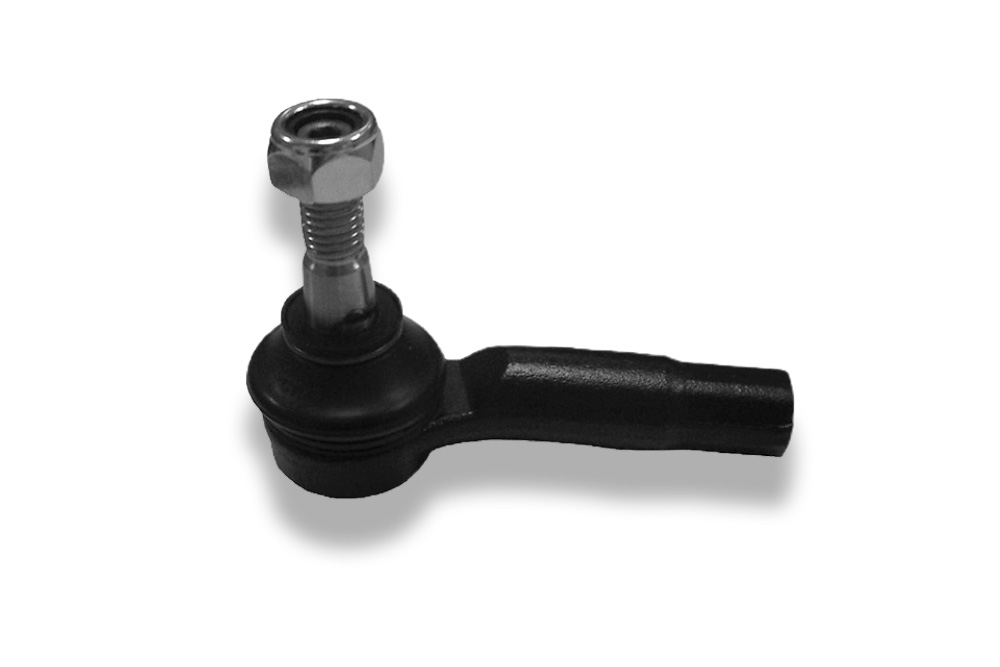
Outer Tie Rod | Tie Rod Ends
Suspensia tie rod ends deliver the precision and reliability demanded by today’s steering systems.
Whether you’re replacing worn components or upgrading for improved performance, our tie rod ends provide consistent, responsive steering with long-lasting durability.
Overview
The tie rod is part of the steering mechanism in a vehicle. A tie rod is a slender structural rod that is used as a tie and capable of carrying tensile loads only the tie rod.
The tie rod transmits force from the steering center link or the rack gear to the steering knuckle. This will cause the wheel to turn. The outer tie rod end connects with an adjusting sleeve, which allows the length of the tie rod to be adjustable. This adjustment is used to set a vehicle’s alignment angle.
Complete Assemblies or Individual Components
Available either as complete assemblies ready for installation or as individual components for custom applications, Suspensia tie rod ends offer the flexibility you need for any repair scenario.
Key Features
- OE Fit and Performance – Engineered to match original equipment specifications
- Quality Materials – Premium alloy steels and protective coatings
- Sealed Boots – Protection against contamination and moisture
- Precise Tolerances – Smooth articulation throughout range of motion
- Extensive Coverage – European, Asian, and domestic vehicle applications

Frequently Asked Questions
What is an outer tie rod end and what does it do?
The outer tie rod end is part of your vehicle’s steering linkage. It connects the inner tie rod (or steering rack) to the steering knuckle at the wheel, transmitting the force from your steering input and causing the wheel to turn. It also connects to an adjusting sleeve that makes the tie rod length adjustable — a critical factor in setting your vehicle’s toe alignment angle. When it wears out, both steering precision and tire wear are affected.
What's the difference between an inner and outer tie rod end?
The inner tie rod end (also called an axial joint) connects directly to the steering rack or center link. The outer tie rod end connects the inner rod to the steering knuckle at the wheel. They work together to transfer steering input from the rack to the wheel — but they’re separate parts with different functions, failure symptoms, and replacement procedures.
How do I know if my outer tie rod end needs to be replaced?
Common warning signs include a loose, wandering, or imprecise steering feel, pulling to one side, clunking or popping noises when turning, uneven or rapid tire wear on the inner or outer edges, and visible play in the wheel when the vehicle is raised off the ground. Any of these symptoms warrants an inspection.
Can a bad tie rod end affect tire wear?
Yes — significantly. A worn outer tie rod end throws off toe alignment, causing one or both front tires to scrub across the road surface at a slight angle. This produces rapid, uneven wear across the tire’s tread that’s often mistaken for an inflation or balancing issue.
Do I need a wheel alignment after replacing tie rod ends?
Yes, always. The outer tie rod end connects to the adjusting sleeve that sets your vehicle’s toe angle. Any time a tie rod end is removed and replaced, alignment must be reset. Skipping the alignment will result in immediate tire wear and imprecise steering.
Are Suspensia tie rod ends exact-fit replacements?
Yes. Suspensia outer tie rods are developed and verified for exact fitment in their specific applications — not adapted from a generic part. The CNC-machined ball stud and precise thread dimensions ensure correct installation and alignment adjustment range without modification.
What vehicles do Suspensia tie rod ends fit?
Suspensia covers a wide range of domestic, Asian, and European vehicles. Use the product catalog with your year, make, and model to confirm the correct part number.
What is the dust cover on a tie rod end and why does it matter?
The dust cover (also called a boot) protects the ball stud and socket from dirt, moisture, and road debris. Suspensia tie rod ends use an elastomer-based dust cover engineered for maximum flexibility and crack resistance — keeping contamination out and grease in for the long term. A torn or missing boot accelerates wear and is often the first sign of a failing tie rod end.
Can a bad outer tie rod end cause my vehicle to fail inspection?
Yes. In most states, excessive play or visible damage in steering components — including tie rod ends — is grounds for failing a safety inspection. A worn tie rod end that allows measurable play in the wheel will typically result in a rejection.
What makes Suspensia outer tie rod ends different from cheaper alternatives?
Suspensia outer tie rods are manufactured in IATF 16949 certified facilities using advanced robotic welding and assembly. Each unit features a high-precision CNC-machined ball stud with minimal surface roughness for better handling and comfort, an elastomer-based dust cover for maximum flexibility and crack resistance, and a corrosion-resistant finish for long-term durability. Every part is developed and verified for exact-fit fitment — not a generic approximation.
Do Suspensia tie rod ends come pre-greased?
Yes. Suspensia outer tie rod ends are assembled with grease at the factory. In most applications they are sealed units that do not require additional greasing during installation.
Can I replace just one tie rod end, or do I need to do both sides?
It’s possible to replace a single side when only one is worn, but replacing both at the same time is recommended if mileage or condition suggests the other side is close behind. Mismatched wear between sides can create subtle handling imbalances, and a second repair shortly after the first adds unnecessary labor costs.
Is replacing an outer tie rod end a DIY job?
Outer tie rod end replacement is a moderate DIY job. It requires a tie rod end removal tool (pickle fork or ball joint separator), basic hand tools, and access to a vehicle lift or jack stands. The most important step — a professional wheel alignment afterward — requires alignment equipment that most home mechanics don’t have, so factor that into the decision.
What causes tie rod ends to wear out?
Normal wear over time is the primary cause, but hard impacts (potholes, curbs), torn or deteriorated boots that allow contamination into the ball socket, and lack of lubrication on greaseable designs all accelerate failure. Road salt and moisture exposure also degrade the boot and finish over time.
What happens if I ignore a worn outer tie rod end?
A worn tie rod end will progressively worsen steering feel and tire wear. In an advanced state, a completely failed tie rod end can cause sudden loss of steering control — a serious safety risk. This is not a component to defer on.
How long do tie rod ends typically last?
Most outer tie rod ends last between 70,000 and 150,000 miles under normal driving conditions. Exposure to rough roads, salt, and impacts can shorten that lifespan considerably. Regular suspension inspections — especially after high-mileage service intervals — can catch wear before it becomes a safety concern.
What's the adjusting sleeve and how does it relate to the tie rod end?
The adjusting sleeve is the threaded collar that connects the inner and outer tie rod ends. By rotating the sleeve, technicians can lengthen or shorten the tie rod assembly to dial in the correct toe angle during a wheel alignment. When replacing the outer tie rod end, the number of threads on the old part is counted to approximate the original position before the alignment is performed.
Are Suspensia tie rod ends covered by a warranty?
Yes. Suspensia tie rod ends are backed by a warranty covering defects in materials and workmanship. Warranty is non-transferrable. Check your specific part listing or contact your distributor for applicable terms.