
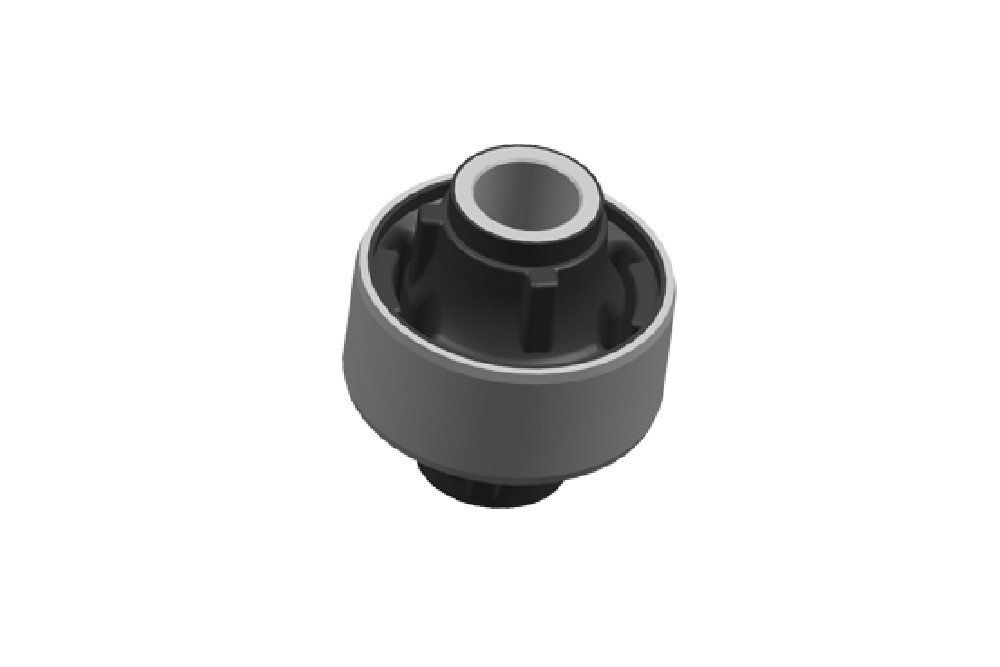
Bushings & Strut Mounts
Suspensia bushings and strut mounts provide critical vibration isolation while maintaining suspension geometry.
Our premium materials and precision manufacturing deliver long-lasting performance.
Overview
Bushings are generally used as connecting elements joining the floor pan to the body, the chassis to the suspension or connecting link arms. They are designed to meet our customers’ requirements and positively impact ride and handling.
Key Features
- Multiple material options (rubber, polyurethane)
- Various durometer ratings
- Press-fit design
- OE specifications
- Extensive application coverage

Frequently Asked Questions
What are bushings and what do they do?
Bushings — also called silent blocks — are rubber or elastomer-based connecting elements used throughout the suspension and chassis system. They join the floor pan to the body, the chassis to the suspension, and link arms to their mounting points. By absorbing and isolating vibration, impact, and dynamic loads between metal components, bushings are what keep your ride smooth, your steering precise, and road noise out of the cabin. When they wear out, you feel it — in the ride, the handling, and the noise level.
What's the difference between a bushing and a silent block?
They’re the same thing. “Silent block” is the technical and European term for what’s commonly called a bushing or rubber-metal bushing in North America. The name comes from the component’s primary job: silencing the transfer of vibration and noise between metal suspension and chassis parts. Suspensia uses both terms to reflect how these components are referenced across different markets and applications.
Where are bushings used in the suspension system?
Bushings appear throughout the suspension and chassis — in control arm mounts, sway bar end links, subframe mounts, strut rod brackets, track bar mounts, and more. On the front and rear axle specifically, silent blocks act as wheel-controlling connecting links that transfer all dynamic loads while filtering out noise and vibration from the road surface.
How do I know if my bushings need to be replaced?
Worn bushings typically announce themselves through clunking, rattling, or squeaking from the suspension — especially over bumps or during cornering. You may also notice increased harshness in the ride, vague or imprecise steering feel, and uneven tire wear. Visually, cracked, split, or collapsed rubber is a clear sign that the bushing has reached the end of its service life.
How do I know if my strut mount needs to be replaced?
Common symptoms include a clunking or popping noise from the front suspension during steering, particularly at low speeds or when turning while stationary. You may also notice increased vibration transmitted through the steering wheel, uneven tire wear, or a feeling that the steering is slow to return to center. A worn strut mount bearing can also cause the strut itself to wear prematurely.
Are Suspensia bushings exact-fit replacements?
Yes. Suspensia bushings are manufactured to be exact-fit for their specific applications through thorough development and verification — covering correct inner and outer diameter, length, durometer (rubber hardness), and mounting geometry for a direct, no-modification installation.
What materials are Suspensia bushings made from?
Suspensia bushings are engineered using rubber and elastomer compounds specifically formulated to meet the load, flex, and durability requirements of each application — positively impacting ride quality and handling while effectively isolating noise and vibration.
Do Suspensia bushings help reduce noise, vibration, and harshness (NVH)?
Yes. That’s a core function of the silent block design. Suspensia bushings are engineered to filter disruptive vibrations that occur during braking and when driving on rough or uneven road surfaces — contributing directly to a quieter, more comfortable ride.
What is a strut mount and what does it do?
A strut mount (also called a strut bearing plate or upper mount) sits at the top of the strut assembly, connecting it to the vehicle chassis. It serves two functions: it allows the strut to rotate smoothly during steering inputs, and it absorbs the shock and vibration that travels up through the strut before it reaches the body. A worn strut mount is one of the most common causes of clunking, creaking, and steering noise — especially noticeable during low-speed turns.
Do I need special tools to replace bushings?
In most cases, yes. Pressed-in bushings require a hydraulic press or bushing press kit to remove and install properly. Attempting to drive them in or out with makeshift tools risks damaging the bushing, the housing, or both. Some applications — like sway bar bushings — use a clamped design that’s simpler to replace without a press.
Should bushings be replaced as a set or one at a time?
Because bushings on opposite sides of the vehicle wear at similar rates, replacing them as an axle set is generally recommended. Replacing only one side can result in uneven handling and a repeat repair in the near future. When replacing a control arm bushing, inspect the opposite side at the same time.
Can worn bushings affect wheel alignment?
Yes. Bushings define the precise pivot point of suspension components like control arms and track bars. When they collapse or wear unevenly, they allow those components to shift position slightly — throwing off camber, caster, and toe settings even on a vehicle that was recently aligned. A wheel alignment after bushing replacement is always a good practice.
Are strut mounts and strut bearings the same thing?
Not exactly. A strut mount is the full upper assembly that attaches the strut to the chassis. A strut bearing (also called a thrust bearing) is the internal rotating element within the mount that allows the strut to rotate during steering. Many strut mount assemblies include the bearing as an integrated unit — Suspensia’s fitment listings will indicate what’s included for each application.
Do I need a wheel alignment after replacing strut mounts?
In most cases, yes. Strut mount replacement can subtly affect the position of the strut and therefore the camber and caster angles. A post-repair alignment check is recommended to ensure nothing has shifted out of spec during the repair.
What causes bushings to wear out prematurely?
Exposure to road salt, oil, and solvents degrades rubber compounds over time. Extreme heat, UV exposure, and heavy loads also accelerate wear. Vehicles operated in harsh climates or driven frequently on rough roads will typically see shorter bushing service life. Cracking is usually the first visible sign of deterioration.
Are Suspensia bushings and strut mounts covered by a warranty?
Yes. Suspensia bushings and strut mounts are backed by a warranty covering defects in materials and workmanship. The warranty is non-transferrable. Check your specific part listing or contact your distributor for applicable terms.
Where can I buy Suspensia bushings and strut mounts?
Suspensia bushings and strut mounts are available through authorized aftermarket distributors and major parts retailers. Visit suspensia.com to browse the full catalog and confirm fitment for your vehicle.